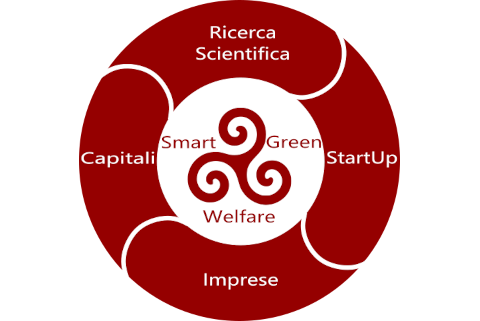

Community based development
Community-Based Development (CBD) is a development approach that places communities at the center of the decision-making, design, and implementation process. This paradigm is based on the empowerment of people at the local level, active participation, and the enhancement of available resources within the community. CBD aims to generate sustainable and meaningful changes by adapting solutions to the specific needs of the populations involved.
Active Participation: The community is involved in all phases of the project: from needs analysis to planning, implementation, and monitoring. This principle ensures that solutions are rooted in local contexts and respond to the real needs of people.
- Empowerment: Il CBD aims to strengthen the capacities of communities, enabling them to make autonomous decisions and manage resources effectively. Empowerment reduces dependence on external interventions and promotes resilience.
- Enhancement of Local Resources: Communities possess unique resources – cultural, natural, social, and economic – that CBD leverages to promote sustainable development. The focus is on what already exists rather than what is lacking.
- Sustainability: CBD interventions aim to produce long-term benefits, ensuring that the initiatives are ecologically, economically, and socially sustainable.
- Inclusion: All members of the community, including marginalized groups, are involved in the decision-making process, ensuring equity and representativeness.
- Adaptability: CBD takes into account local specificities and adapts to the cultural, economic, and social contexts of the communities.
Objectives of CBD
- Poverty Reduction: Through the development of infrastructure, local economic activities, and essential services, CBD improves living conditions.
- Building Social Capital: Strengthening social networks and relationships within the community enhances cohesion and the ability to face collective challenges.
- Promotion of Social Justice: CBD addresses structural inequalities and promotes the inclusion of marginalized groups, such as women, youth, and ethnic minorities.
- Sustainable Economic Development: The approach promotes the creation of job opportunities and entrepreneurial activities at the local level, with particular attention to environmental sustainability.
Methodologies of Community-Based Development
- Participatory Mapping: Through techniques such as resource mapping, community members identify the available assets and resources, as well as the main challenges.
- Needs Analysis: The CBD uses participatory tools (focus groups, interviews, workshops) to understand the needs of the community from the perspective of its members.
- Collaborative Management: Decisions are made collectively, often through committees or community councils that represent different parts of the population.
- Microfinance and Cooperatives: To stimulate local entrepreneurship, the CBD promotes mechanisms of microcredit and the creation of cooperatives to manage common resources.
- Participatory Monitoring and Evaluation: Communities are involved in monitoring and evaluating projects, ensuring transparency and accountability.
Advantages of CBD
- Contextually Rooted Approach: Solutions are designed to fit the needs and local realities, making them more effective and acceptable.
- Empowerment and Autonomous Capacity: By strengthening the skills and capacities of communities, the CBD reduces dependence on external aid.
- Long-Term Sustainability: By involving the community in managing resources and infrastructure, the CBD promotes long-term sustainability.
- Inclusive Growth: The inclusion of marginalized groups helps reduce inequalities and improve social justice.
Critical Issues and Challenges of CBD
- Complexity of the Participatory Process: Involving all community members can be difficult, especially in contexts with entrenched inequalities or internal conflicts.
- Slow Timelines: Participatory processes take time to build trust and consensus, which can slow down implementation.
- Dependence on External Resources: Despite the emphasis on autonomy, many communities require initial resources or technical skills from external actors.
- Risk of Cooptation: Without clear governance mechanisms, decision-making power can be monopolized by local elites, excluding weaker groups.
- Difficulties in Monitoring: Evaluating impacts can be complex, especially in the absence of clear and shared indicators.
Community-Based Development represents a transformative approach to development, based on the centrality of the community, the enhancement of local resources, and collective empowerment. Despite its challenges, CBD offers a sustainable development model that meets people’s needs, promotes social justice, and builds resilience. To succeed, it requires targeted support from institutions and inclusive governance, but its potential to generate lasting and significant changes makes it an essential tool for contemporary development.